Prevention Groups
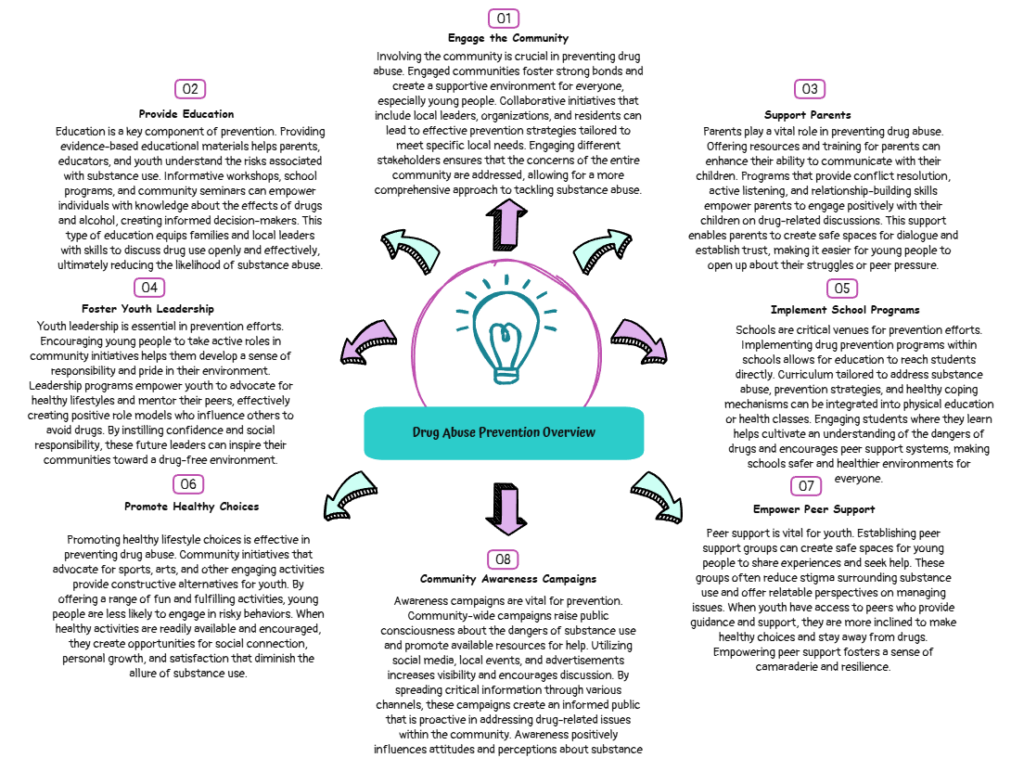
Drug abuse prevention is a vital, community-driven mission centered on the belief that the most effective way to address the consequences of substance use is to stop it before it begins. Across the United States and around the globe, non-governmental organizations (NGOs) and non-profit groups serve as the front line in this effort. Often founded and fueled by the dedication of parents, educators, and concerned citizens, these organizations provide essential resources and evidence-based education to protect children and young adults from the harmful effects of drugs, alcohol, and tobacco. By fostering resilient communities and equipping parents with the tools to engage in meaningful dialogue with their children, these groups create a protective environment where healthy choices can thrive. This directory highlights a diverse network of prevention groups dedicated to protecting the health and future of the next generation. These volunteer-led organizations work tirelessly to counter the influence of pro-drug messaging through grassroots advocacy, school-based programs, and public awareness campaigns. Whether you are a parent seeking guidance, a student looking for peer support, or a community leader aiming to implement local change, the contact information listed here connects you with global and local partners committed to a drug-free society. Together, through reinforced and expanded prevention efforts, we can reduce the demand for mind-altering substances and promote a lifetime of wellness.
ACT Missouri (Actmissouri.org)
ACT Missouri serves as a statewide catalyst for substance abuse prevention, dedicated to building safer and healthier communities through education, advocacy, and strategic partnerships. Originally established as a private, non-profit organization, it acts as a central hub for Missouri’s prevention efforts by supporting a network of Prevention Resource Centers (PRCs) and community coalitions. The organization focuses on high-impact areas such as reducing underage drinking, preventing the misuse of prescription drugs (including opioids), and promoting traffic safety. By bridging the gap between state-level policy and grassroots action, ACT Missouri provides the infrastructure necessary to implement evidence-based strategies like the SAMHSA Strategic Prevention Framework across the state.
For students, parents, and researchers, the organization offers a wealth of curated, age-appropriate resources designed to illuminate the hazards of drug abuse and the power of informed decision-making. Students can engage with peer-led initiatives like the Youth Ambassador Program or the Speak Hard Youth Conference, while parents have access to educational toolkits and “docudramas” that facilitate difficult conversations about the consequences of impaired driving and substance use. Researchers and community leaders can benefit from their archived newsletters, legislative updates on distracted driving, and technical manuals like the Taking Action Handbook. Whether you are looking for local data, prevention training, or ways to advocate for drug-free policies, ACT Missouri provides a comprehensive roadmap for navigating the complexities of substance use prevention.
DEA Educational Foundation (DEAEF)
The DEA Educational Foundation (DEAEF) https://www.deaf.org is a 501(c)3 non-profit organization established in 2001 that serves as a bridge between law enforcement and the community. While it is not a formal part of the Department of Justice, it works closely with the DEA to provide educational programming aimed at preventing drug abuse. Celebrating 25 years of impact, the foundation focuses on the “costs and consequences” of illegal drugs by funding and supporting various youth-centric initiatives. These programs—ranging from dance and baseball to martial arts—are designed to provide positive outlets for children in underserved communities, fostering mentorship and resilience against the pressures of drug culture.
For students, parents, and researchers, the foundation serves as a practical resource hub for drug prevention and awareness. Parents can find structured environments for their children that reinforce a drug-free lifestyle, while students gain access to role models and healthy physical activities through initiatives like Operation Engage. Researchers seeking information on the hazards of drug abuse can utilize the foundation’s educational materials to understand modern drug trends and the societal impact of the opioid crisis. By partnering with organizations like the Addiction Policy Forum and Deterra, the foundation provides actionable information on drug disposal, prevention strategies, and community-building efforts to combat the drug epidemic at its roots.
Community Anti-Drug Coalitions of America (CADCA)
CADCA: Organization Synopsis
CADCA (Community Anti-Drug Coalitions of America) is a global nonprofit organization founded in 1992 to mobilize communities against rising drug use. Originally born out of the 1980s crack-cocaine epidemic, CADCA now represents over 7,000 community-based coalitions across the United States and 28 other countries. Rather than providing direct addiction treatment, the organization focuses on grassroots, systemic change by equipping local leaders with training, technical assistance, and public policy advocacy tools. Through its multi-sector approach—which unites schools, law enforcement, healthcare providers, youth, and parents—CADCA helps communities build strategic, evidence-based frameworks to prevent substance misuse, reduce underage drinking, and combat the spread of illicit drugs.
For those seeking information about the hazards of drugs of abuse, CADCA serves as a highly practical resource hub. Students can participate in youth-led initiatives, such as the Voices of Youth program or CADCA’s Youth Leadership training, to learn about local drug trends, advocate for school policy changes, and lead peer-to-peer prevention projects. Parents can access customized toolkits and communication guides to help them recognize warning signs and initiate difficult but necessary conversations with their children about the dangers of vaping, fentanyl, and prescription drug misuse. Researchers and public health professionals benefit from CADCA’s extensive data network and resources, including the Research Into Action webinar series and evaluation tools that bridge the gap between academic findings and on-the-ground community implementation.
Drug Free America Foundation
The Drug Free America Foundation (DFAF) is a non-profit drug prevention and policy organization dedicated to reducing substance use and its impact on society. Based in St. Petersburg, Florida, the foundation operates on local, national, and international levels to promote evidence-based drug policies and educational programs. Their mission centers on the belief that a well-informed public and sound policy can build healthier, safer communities free from the burdens of drug abuse, mental health disorders, and associated crime.
For students, parents, and researchers, DFAF serves as a comprehensive resource hub for understanding the hazards of drugs of abuse. Students can utilize their current research and “vulnerable minds” initiatives to understand the science behind addiction, while parents can access educational tools to facilitate prevention conversations at home. Researchers and professionals benefit from the organization’s National Prevention Summit and the Global Task Force, which provide access to data-driven insights and international best practices for shaping effective prevention strategies.
Key Resources for Information Seekers
| Group | Available Resources |
| Students | Peer educator programs and simplified research summaries on drug trends. |
| Parents | Educational campaigns focusing on the risks of the current legal and illegal markets. |
| Researchers | Access to international policy networks and global task force data. |
Elks National Drug Awareness Program
Gemini said
Elks Drug Awareness Program: Synopsis
The Elks National Drug Awareness Program (DAP) is the largest volunteer-driven drug awareness initiative in the United States. Supported by the Benevolent and Protective Order of Elks, the program is dedicated to preventing the use and abuse of illegal drugs by fostering drug-free environments for children. Relying on a vast network of dedicated volunteers, DAP focuses on community-level education and grassroots outreach. The organization creates and distributes a wide array of educational materials designed to engage youth and equip communities with the knowledge needed to make healthy choices.
For those seeking information on the hazards of substance abuse, the program serves as an accessible and varied resource hub. Students and children can interact with age-appropriate materials through the Elks Kid Zone and Teen Zone, which feature trivia games, educational comics, and national essay or video contests that encourage active participation in drug prevention. Parents can utilize these family-friendly activities to initiate approachable but vital conversations about drug safety at home. Additionally, researchers and community educators can leverage the program’s curated Latest National News section, which tracks critical trends like overdose statistics, global drug reports, and the rising threats of synthetic opioids and counterfeit prescription pills.
Missouri Prevention Resource Center NetworkMissouri Prevention Resource Center Network
The Missouri Prevention Resource Center Network is a collaborative, statewide infrastructure funded by the Missouri Department of Mental Health’s Division of Behavioral Health. It comprises ten regional Prevention Resource Centers (PRCs) that serve as the primary hub for technical assistance, training, and evidence-based strategies to reduce substance misuse. Rather than acting as a traditional treatment provider, the network focuses on primary prevention—the science of stopping drug and alcohol abuse before it starts. By coordinating a “network of networks,” the organization empowers local community coalitions with data-driven tools and professional expertise to address regional trends in youth substance use, tobacco sales to minors, and opioid safety.
For students, parents, and researchers, the network serves as an authoritative gateway to both local and national prevention science. Students can find opportunities for leadership through youth-led coalitions like the 417SQUAD, while parents gain access to vital educational campaigns and “talking points” designed to help navigate difficult conversations about alcohol, marijuana, and prescription drugs. Researchers and educators can leverage the network’s dissemination of current peer-reviewed research, legislative alerts, and resource toolkits that detail emerging drug trends across Missouri. By connecting users to their specific regional PRC, the organization ensures that information is not only scientifically accurate but also tailored to the unique socio-economic and geographic needs of their own backyard.
National Coalition Against Prescription Drug Abuse (NCAPDA)
The National Coalition Against Prescription Drug Abuse (NCAPDA) https://ncapda.org/ is a nationwide 501(c)3 non-profit dedicated to preventing substance use disorder and overdose deaths through education, advocacy, and direct community action. Founded in 2010 by April Rovero following the tragic overdose death of her son, Joey, the organization transforms personal loss into a mission of public safety. NCAPDA operates as a volunteer-driven coalition that partners with schools, law enforcement, and medical professionals to raise awareness about the lethal risks of prescription drug misuse and the growing threat of counterfeit pills laced with fentanyl. Their work extends from local community workshops to national legislative advocacy, aiming to shift policy toward safer prescribing practices and increased access to life-saving resources.
For students, parents, and researchers, NCAPDA serves as a comprehensive resource hub that bridges the gap between clinical data and real-world prevention. Students can find empowerment through the “Youth Corner,” which offers peer-led education and opportunities to become ambassadors for drug safety on their own campuses. Parents are provided with practical toolkits, including “Twelve Talks to Have With Teens” and guidance on safe medicine storage and disposal to “lock up” potential hazards at home. For researchers and community leaders, the organization maintains a Translation Resource Library with materials in over 16 languages and offers bi-monthly virtual Naloxone Overdose Rescue Training. By providing free Narcan kits (to California residents) and fentanyl test strips, NCAPDA moves beyond theory into active harm reduction, making it an essential ally for anyone seeking to understand or combat the modern overdose crisis.
National Police Athletic/Activities League (PAL)
The National Association of Police Athletic/Activities Leagues, Inc. (National PAL) https://nationalpal.org/ is a premier 501(c)(3) non-profit organization that has been bridging the gap between law enforcement and youth since 1940. Operating through a network of over 300 local chapters across the United States, National PAL serves more than 2 million young people annually by providing structured recreational, athletic, and educational programs. The organization’s mission is rooted in the belief that early, positive engagement with police officers fosters mutual respect and develops strong civic attitudes. By turning law enforcement officers into mentors and coaches, the foundation creates a “constructive environment” designed to prevent juvenile delinquency and promote inclusive community growth.
For students, parents, and researchers, National PAL serves as a vital resource for substance abuse prevention and juvenile safety information. The organization specifically addresses the hazards of drug abuse through its Prevention and Wellness initiatives, which offer substance abuse education, counseling, and recovery support. Parents can utilize these programs to provide their children with a safe “out-of-school” environment that emphasizes leadership and academic excellence as alternatives to risky behaviors. For researchers, National PAL provides a decades-long model of community policing, offering insights into how mentorship and collaborative partnerships—such as their work with the Department of Homeland Security to combat online exploitation—effectively reduce community risk factors and prevent substance misuse among the youth.
Partners in Prevention (Missouri)
Missouri Partners in Prevention (PIP) is Missouri’s higher education substance misuse prevention and mental health consortium, comprised of 24 public and private colleges and universities across the state. Housed at the University of Missouri, the organization works to create safer and healthier campus environments by utilizing evidence-based strategies and data-driven interventions. PIP focuses on a wide range of issues affecting college students, including alcohol and high-risk drinking, cannabis use, prescription drug misuse, and mental health. By fostering collaboration between campus practitioners and state agencies, the consortium provides a unified front to reduce the negative consequences of substance abuse on academic success and student well-being.
For students, parents, and researchers, PIP serves as a robust clearinghouse for educational materials and technical assistance regarding the hazards of drug abuse. Parents can access fact sheets and prevention toolkits that explain current drug trends and provide guidance on how to support their children during the transition to university life. Students benefit from the organization’s focus on collegiate recovery and peer education, which helps foster a culture of accountability and support. For researchers, PIP is a valuable source of primary data, offering research briefs and annual reports that track behavioral trends and the effectiveness of campus-level prevention policies, such as the overdose prevention toolkit and the Strategic Prevention Framework.
Partnership to End Addiction
Organization Overview Partnership to End Addiction is a leading national nonprofit dedicated to transforming how the United States addresses addiction. Formed by the 2019 merger of the Center on Addiction and the Partnership for Drug-Free Kids, the organization combines decades of pioneering research, public policy advocacy, and public service communications. Their mission focuses on empowering families, advancing effective addiction care, shaping public policy, and reducing the stigma surrounding substance use disorder. By emphasizing a compassionate, science-based approach, the Partnership mobilizes a diverse community of researchers, advocates, and health care professionals to tackle the addiction crisis systemically.
Helping the Community For those seeking information on the hazards of drug abuse, the organization serves as a comprehensive, multifaceted resource. Parents and caregivers can access personalized, free support through a bilingual helpline, text messaging services, and peer-to-peer parent coaching, alongside educational guides on everything from early prevention to navigating treatment and recovery. Students and teens benefit from clear, evidence-based drug facts designed to help them understand the real-world risks of substances—from emerging threats like Kratom to the developmental impacts of teen substance use. Meanwhile, researchers, educators, and policymakers can utilize the Partnership’s extensive library of peer-reviewed addiction science, policy analysis, and clinical training materials to inform public health initiatives and improve community care standards.
Safe Project
The SAFE Project (Stop the Addiction Fatality Epidemic) is a national non-profit organization founded in 2017 by Admiral James and Mary Winnefeld following the loss of their son, Jonathan, to an accidental opioid overdose. The organization operates through a collaborative, non-partisan framework designed to bridge the gaps in the nation’s response to the addiction crisis. Their mission is structured around six “lines of operation”—Public Awareness, Full-Spectrum Prevention, Prescriptions & Medical Response, Law Enforcement & Criminal Justice, Treatment & Recovery, and Family Outreach & Support—aiming to create a comprehensive safety net that addresses addiction from initial prevention to long-term recovery.
For students, parents, and researchers, SAFE Project serves as a vital resource for navigating the complexities of substance use and mental health. Students can engage with the SAFE Campuses initiative, which offers leadership training and collegiate recovery support to foster healthier university environments. Parents and caregivers find tailored guidance through the SAFE Choices program, providing evidence-based tools for early intervention and “talk early, talk often” strategies. Researchers and community leaders can utilize SAFE Solutions, an extensive strategy hub and resource locator that tracks national trends, policy assessments, and best practices for combating the overdose epidemic at the local level.
Smart Approaches to Marijuana (SAM)
Gemini said
Organization Overview Smart Approaches to Marijuana (SAM) is a nonpartisan alliance founded in 2013 by drug policy expert Dr. Kevin Sabet and former U.S. Congressman Patrick Kennedy. Dedicated to a “health-first” approach to drug policy, SAM advocates for a pragmatic middle ground between strict incarceration and the full commercial legalization of marijuana. The organization actively opposes the normalization and corporate expansion of what they term “Big Marijuana,” arguing that commercialization places corporate profits ahead of public health and safety. SAM’s core mission centers on educating citizens about the scientific realities of today’s highly potent marijuana products, while simultaneously supporting smart justice reforms—such as eliminating lifelong criminal stigmas for low-level personal use—and promoting rigorous, FDA-approved medical research.
Helping the Community For individuals seeking objective information on the hazards of marijuana use, SAM serves as a robust educational hub designed to counter industry-driven messaging. Parents and students can access clear, evidence-based facts detailing the developmental and addiction risks associated with modern, high-potency THC vapes, concentrates, and edibles. Families can also connect through SAM’s Parent Action Network to share their personal stories, find peer support, and advocate for youth protection in their communities. Meanwhile, researchers, educators, and community leaders benefit from SAM’s comprehensive policy briefings and data tracking, which monitor the real-world societal impacts of legalization—including public health costs, drugged driving statistics, and youth usage rates. By providing these materials at no charge, SAM equips communities with the data necessary to foster informed conversations and implement effective prevention strategies.
The Young Marines
The
For students, parents, and researchers, the organization offers a robust framework for drug abuse prevention centered on education and peer influence. Their
World Federation Against Drugs (WFAD)
The World Federation Against Drugs (WFAD) is a global multilateral community of non-governmental organizations and individuals committed to a drug-free world. Founded in Stockholm in 2009, the organization operates on the principle that illicit drug use threatens the stability of families, communities, and government institutions worldwide. Its mission is built upon three core pillars: strengthening prevention, increasing access to treatment, and promoting long-term recovery. Guided by the United Nations narcotics conventions and the Convention on the Rights of the Child, WFAD advocates for evidence-based policies that protect the basic human rights of individuals to live free from the harms of substance abuse.
For those seeking information on the hazards of drug abuse, WFAD serves as a comprehensive global resource hub. Students and youth can engage with peer-led advocacy campaigns like #YouthLeadChange and access educational materials through the Knowledge Bank, which offers fact-based insights into the risks of various substances. Parents find value in the organization’s focus on family recovery and its resources regarding Article 33 of the UN Convention on the Rights of the Child, which provides a framework for protecting children from illicit drug use. Meanwhile, researchers benefit from the federation’s vast network of over 200 member organizations, which facilitates the sharing of global best practices, position papers on recovery science, and access to the biannual World Forum Against Drugs, a premier international meeting point for drug policy and prevention science.